
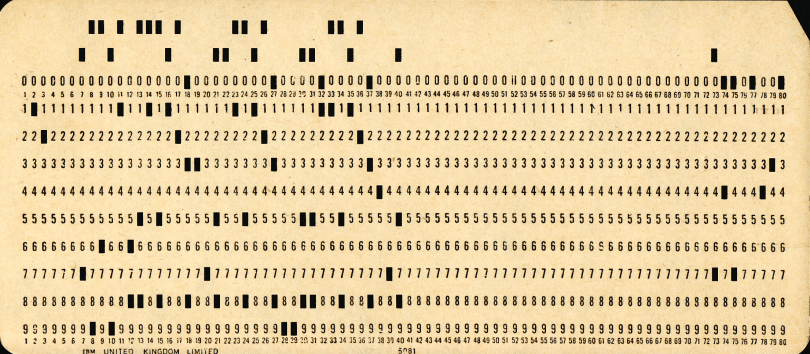
In the late 1960s computer programming changed drastically. Through the ’50s and ’60s programming was ‘off-line’ – undertaken by punching holds in punched-cards (see image), then batch processing stacks of these cards into the computer, waiting for results – often overnight – finding errors and repeating. It was painful and slow. Suddenly with new systems it was possible to programme online and interactively using time-sharing systems that had monitors and keyboards attached.
Research at the time showed that “online conditions resulted in substantially and, by and large, significantly better performance for debug man[sic]-hours than the offline conditions…” (Sackman et al 1968). The computer requirements to do this were substantial however programmers became considerably more productive – they could do much more programming work in a day.
Sound familiar? To me this is the same argument we are using today with the rise AI support for software development.
The question then is what happened next – did companies fire huge numbers of programmers who were no longer needed? No – the insatiable demand for new software, coupled with the increased productivity of developers, led more programmers to be hired to do more things. This has been the lesson of each increase in programmer productivity through time. Unless you believe CEOs are thinking ‘I’m done – I don’t need any new systems, any new software, any new service’ you should probably cease to worry as much about job losses and instead look at what the new skills are that are needed alongside AI programming tools. Because most companies have long lists of software they would like but that were previously too expensive to realise. Given this I believe that, over time, demand for those with software engineering expertise is still likely to grow. Not the same skills perhaps, but learning the basics of systems development, programming, and software engineering will certainly help whatever happens next.
Sackman, H., Erikson, W. J., & Grant, E. E. (1968). Exploratory experimental studies comparing online and offline programming performance. Commun. ACM, 11(1), 3–11. https://doi.org/10.1145/362851.362858
For similar analysis see:
How many programmers are there? | The Computer Boys Take Over
Part 1: The Four Times Software Development Completely Changed | by Can Artuc | Medium
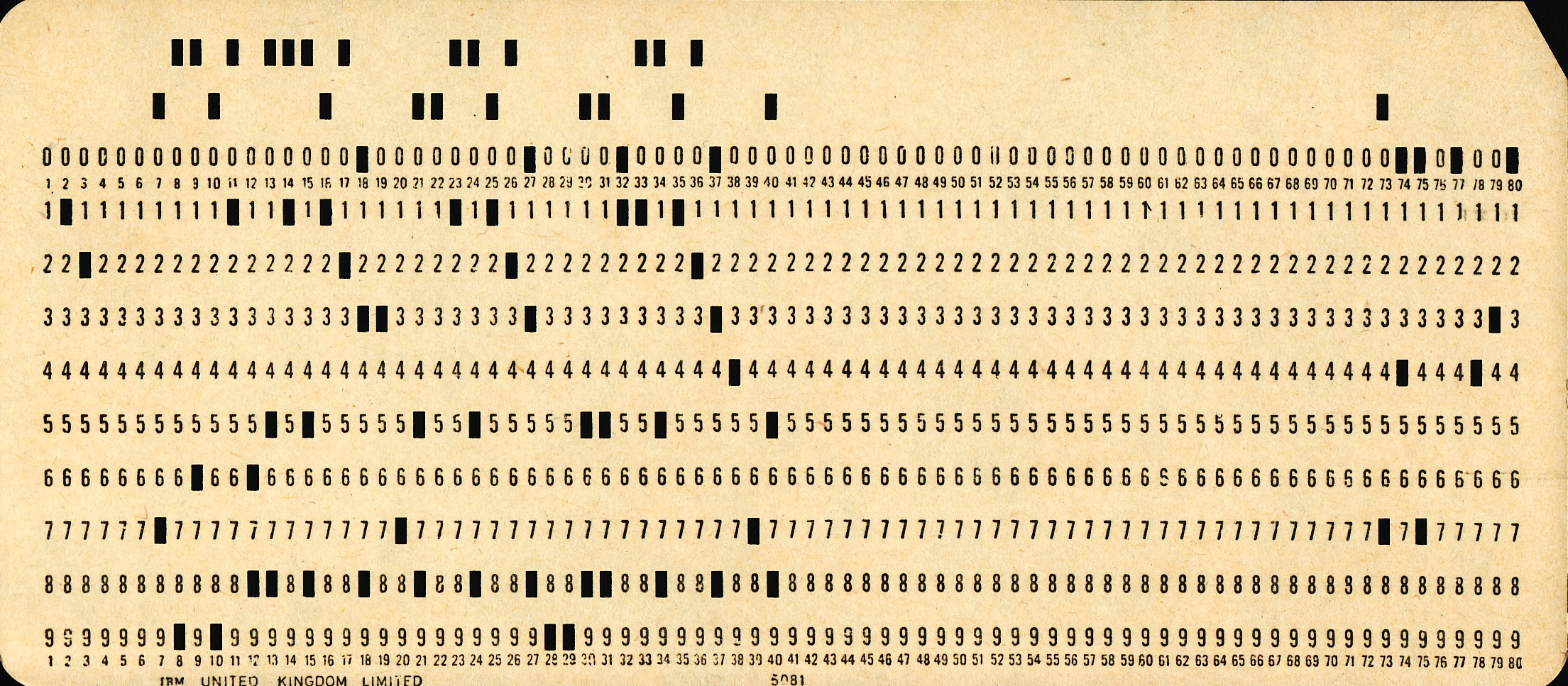
Example of a punched card for Fortran Programming (cc) with thanks – BinaryApe at Wikimedia.
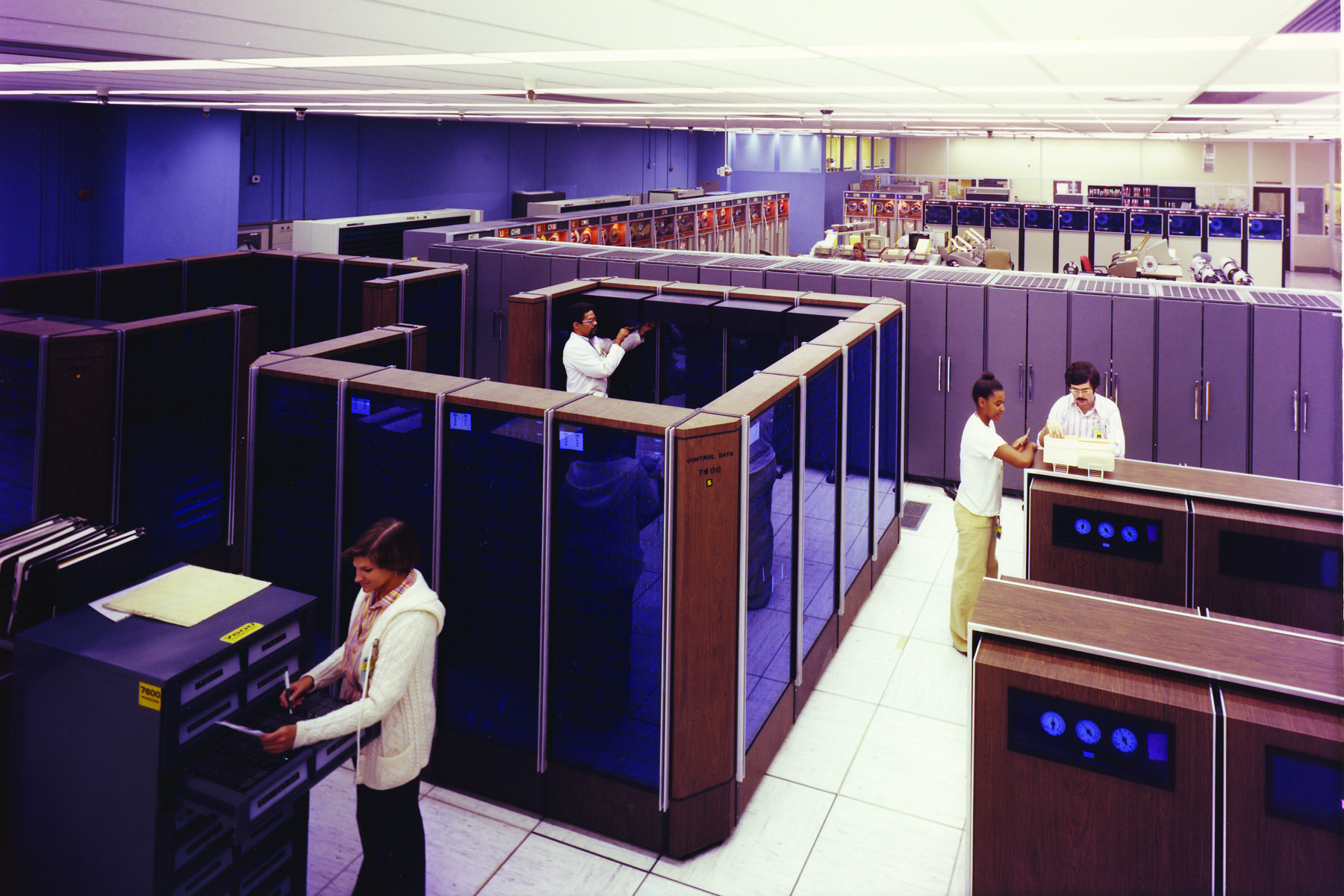
Time-sharing systems at Lawrence Livermore National Labs. – (cc) with thanks.

